
Top Cruise Travel Insurance Plans
These plans are highlighted as some of our top-chosen policies by cruisers for their cruise-specific benefits and high coverage limits for emergency medical treatments and evacuations, missed connections, travel delays, and more.



See a complete breakdown of these plans and more in our full list of the Best Cruise Travel Insurance Companies of 2026
What is Cruise Insurance?
Cruise insurance is a specific type of travel insurance designed to protect you across multi-destination cruise itineraries, both on land and at sea. This means you don’t need separate policies if your cruise includes hotels, flights, or land components.
These plans often come with unique cruise-specific benefits such as coverage for missing the ship, missed on-shore excursions, missed ports of call, and unexpected itinerary changes. These specialized policies also include standard travel insurance protection that can reimburse you for emergency medical treatment and evacuations to shore, trip cancellations and interruptions, travel delays, missed connections, hotels, flights, and more.
Cruise-specific travel insurance is especially useful for families, seniors, or those with pre-existing medical conditions, but it’s also a smart choice for anyone going on a cruise.
Benefits of travel insurance for cruises:
- Designed specifically for cruise scenarios
- Protects you on land & at sea
- Coverage before & after boarding the ship
- Covers shore excursions & missing the ship
- Covers medical evacuation to shore & medical bills
 Ideal for:
Cruise Travel Topics
Quote, Compare, & Buy Cruise Insurance
Compare top plans & providers to find the best travel insurance for your cruise. Compare Cruise Insurance
Do I Need Travel Insurance for a Cruise?


Ideally, yes, all major cruise lines recommend buying cruise insurance, mainly because medical evacuations at sea can be extremely expensive. We recommend reviewing your cruise line’s recommendations and guidelines before boarding to see if travel insurance is required.
Some cruise lines require passengers to show proof of travel insurance before boarding the ship, such as on cruises to Antarctica or other riskier destinations.
Additionally, most U.S. health insurance plans, including Medicare, do not cover medical care outside the country. Not having a travel insurance plan could leave you paying out of pocket if an incident arises during your trip.
In an emergency, quick access to medical support is essential. At a minimum, we recommend buying a travel insurance plan that provides strong emergency medical and evacuation coverage.
Squaremouth’s comparison tool lets you accurately compare cruise insurers and get customized coverage based on your specific needs.

What Does Cruise Insurance Cover?
Cruise-specific travel insurance policies can reimburse you for things like medical emergencies and ship-to-shore evacuations, missed port departure, flight disruptions and delays, missed shore excursions, onboard quarantine, shipboard service disruptions, mechanical breakdowns, itinerary changes or cancellations, and more.
Here are some of the main cruise protection benefits offered by travel insurance.
Cruise trip cancellation coverage can reimburse you for up to 100% of your prepaid nonrefundable trip cost. For example, if you, a family member, or a travel companion gets sick, trip cancellation coverage can let you cancel your trip and reimburse you if a licensed physician deems you unfit to travel.
Without cancellation insurance, many cruise lines only offer vouchers for rebooking at a later date, which only addresses part of the total cost of your trip.
Look to include the following trip costs when insuring your cruise: airfare, cruise fare, food and beverage packages, shore excursions, hotel stays before and after, tours, transport services, and more.
Cruise ship insurance can cover the cost of evacuating you to the nearest adequate medical facility for treatment. Due to the high costs of medical emergency evacuations at sea, we recommend selecting policies with at least $250,000 of Medical Evacuation coverage.
Having the proper medical coverage in place is important as cruises often travel in international waters, and U.S. health insurance and Medicare don't work internationally. The best cruise insurance plans can fully cover the cost of emergency medical expenses, such as hospital bills and emergency dental services. We recommend opting for plans with at least $100,000 of Emergency Medical coverage.
In recent years, hurricane seasons have become more active due to warming ocean temperatures, which can leave you in a bind if your cruise is affected. Hurricane and weather coverage can reimburse you if you are forced to cancel your cruise due to inclement weather at your residence, port of departure, or destination. To be eligible, you must purchase your travel insurance policy before the storm is named.
If you’re forced to cut your trip short or need to change your itinerary due to a covered reason, travel interruption coverage can reimburse you for up to 150% of your trip cost and help you with rebooking. For example, if you fall ill and need to be hospitalized for a few days, this coverage can pay for alternate arrangements and new bookings to help you pick up where you left off.
If you run into travel delays on your trip, your plan can reimburse you for meals, accommodations, and transportation expenses incurred as you await your new departure time. Each plan has different waiting time criteria for when this coverage takes effect. If you have a complex itinerary or plan to fly to the port of departure, consider plans where missed connection coverage takes effect for shorter delays.
Cruise travel insurance often includes missed connection coverage, which can protect you if you miss your ship’s departure due to a covered reason, such as flight delays. Missed connection coverage can pay to help you catch back up with the ship and continue your vacation, and often reimburses you for missed tours or excursions as well.
All plans sold on Squaremouth include 24/7 travel assistance services. If you run into issues while traveling, you can call and get emergency assistance with things like managing emergencies, finding a nearby doctor, help with rebooking, and more.
Financial Default coverage offers protection if your cruise line or other travel supplier goes bankrupt or becomes insolvent. This cruise protection can allow you to cancel your trip and receive a full reimbursement, or it can reimburse you for alternate travel arrangements needed to continue your initial planned itinerary.
Optional Cancel For Any Reason coverage (CFAR) lets you cancel your trip for reasons that are excluded from standard trip cancellation policies. This coverage is especially useful for foreseen events that commonly affect cruises, like hurricanes and viral outbreaks on board.
For example, CFAR can cover hurricane cancellations even if you bought your plan after the storm was named. It can also be useful if the cruise before yours is quarantined for a Norovirus outbreak, for example, and you decide to cancel your trip out of fear of contagion.
So far in 2026, there have been three military actions, of which two disrupted cruise routes through waters around Mexico and Venezuela. Travelers with CFAR were the only ones covered in these situations, as military actions are not covered by standard insurance. Keep in mind that the CFAR eligibility window is typically open for only 14-21 days after making your initial cruise deposit.
How Much Does Cruise Travel Insurance Cost?
Comprehensive cruise travel insurance policies typically cost between 4% - 10% of your total insured travel expenses. According to these industry benchmarks, a $10,000 cruise vacation will cost anywhere from $400 - $1,000 to protect with comprehensive coverage.
While industry-wide reports estimate the average cost of cruise travel insurance to be between $177 - $570, proprietary Squaremouth sales data from the past 12 months (Apr 1, 2025 - Apr 1, 2026) reveals that the majority of cruisers are spending between $100 - $790 on their policies. However, this amount varies by coverage type, age, trip length, and optional upgrades like CFAR and IFAR.
Here is a look at how choosing different types of coverage affects the cost of cruise insurance.
| Policy Type | Avg. Cruise Insurance Price |
|---|---|
| Travel Medical | $100.46 |
| Comprehensive (Medical + Cancellation) | $538.87 |
| Comprehensive with CFAR Add-On | $780.78 |
Methodology: This analysis is based on anonymized purchase data from Squaremouth’s proprietary travel insurance quote and booking engine from Apr 1, 2025 - Apr 1, 2026. Premium amounts reflect finalized purchase prices, segmented by policy type. All sales included in this data set had Squaremouth’s ‘Cruise’ filter activated at the time of purchase.
Where Can I Buy Cruise Insurance?
You can buy cruise insurance plans directly from your cruise line, from a travel insurance provider, or from travel insurance comparison sites, but the best way to find affordable cruise trip insurance is to use a comparison site like Squaremouth, which allows you to compare coverage and prices from multiple providers.
Here is a look at the main benefits of buying cruise insurance through a third-party travel insurance provider instead of through a cruise line.
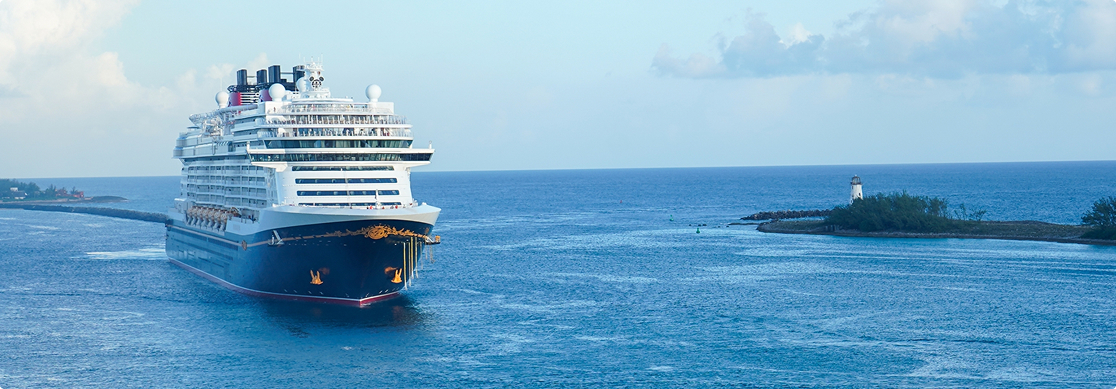
Benefits of Third-party Cruise Insurance
Despite being quick and convenient to purchase, cruise-line-sponsored plans are often more expensive, offer limited coverage inclusions, and less flexible options than buying a third-party travel insurance policy.
Plans on Squaremouth often offer better overall coverage limits at a more affordable price than buying directly from your cruise line.
For example, third-party cruise insurance policies typically offer:
- Full-trip protection (not just the cruise)
- Higher medical and evacuation limits (important when at sea)
- Stronger trip cancellation protection
- A greater list of coverages (more scenarios covered)
- Optional upgrades for CFAR
Many third-party cruise insurance travel policies often offer higher medical coverage limits and better Trip Cancellation protection overall than plans from the cruise lines. They are able to insure your entire trip and reimburse you for cancelled flights, hotels, and on-shore excursions.
Cruise lines typically only cover cruise-specific scenarios, meaning you may miss out on coverage before and after your time on the ship, including coverage for flight delays, late or lost baggage, or reimbursement for hotels.
Third-party travel insurance offers monetary reimbursements for covered cancellations and can deliver funds directly to your bank account. In many cases, this cash-in-hand reimbursement offers cruisers greater flexibility than the vouchers offered through cruise lines.
For example, many cruise lines have strict cancellation policies and only offer “Future Cruise Credits” when you cancel your cruise. This can pose a problem if it comes with an expiry date or the future cruise is more expensive than your initial one.
When you buy cruise protection insurance on the open market, you can often get a better deal as providers compete on price. Before buying from your cruise line, be sure to check the price versus the benefits offered.
Many third-party cruise insurance policies cost the same as plans from cruise lines but offer more benefits and higher coverage limits.
Third-party plans are more flexible as they typically offer options for raising coverage limits, covering sports and activities, pre-existing conditions, and choosing valuable add-ons for coverages like Cancel For Any Reason.
If you have specific coverage needs that aren’t included in the plans offered by your cruise line, you may want to shop around.
Most cruise lines only offer one or two insurance plans versus the hundreds of travel insurance plans available on sites like Squaremouth.
Squaremouth makes it easy to compare cruise insurers accurately in the U.S. market to find the coverage you want and a price you can afford. Comparing plans side by side lets you easily identify where each plan excels and where it lacks.
Cruise Insurance Reviews by Cruise Line
Here is a look at how travel insurance plans from major cruise lines stack up to third-party travel insurance. Below, we highlight some of the weak points we found when reviewing each plan.
Carnival Cruise Insurance Review
Carnival's cruise trip insurance plan, dubbed Carnival Vacation Protection, is an optional add-on for customers when purchasing.
Starting off with the positive, Carnival Vacation Protection offers an alternative to Cancel For Any Reason (CFAR) coverage, which allows you to get up to 75% of your cruise booking cost back in the form of a voucher for future bookings when you cancel for any reason at all. The plan also offers good baggage protection valued at $1,500, providing reimbursement for delays that exceed 3 hours.
Although the Carnival cruise travel insurance plan is great for cancellations, it falls short on several important fronts, including:
- Emergency Medical: Carnival only covers up to $10,000 of medical expenses for illness and injury, which is $90,000 lower than Squaremouth’s minimum recommendation.
- Medical Evacuation & Repatriation: Carnival covers up to $30,000 of Medical Evacuation costs, which is much lower than the CDC's recommendation of $250,000 of coverage.
- Pre-Existing Conditions: Carnival offers no pre-existing condition coverage as part of its Vacation Protection package.
- Trip Cancellation: Carnival only covers cruise & flight expenses, but doesn’t refund other trip costs like excursions, hotels, or rental cars.
Princess Cruise Insurance Review
Princess Cruises offers its Princess Vacation Protection package, which is available at two different coverage levels:
Both plans include a form of Cancel For Any Reason coverage that can reimburse you via a cruise voucher for use on future bookings. The Standard plan covers up to 75% of your cruise cost versus 100% with the Platinum plan. Similar to Carnival’s protection plan, Princess Cruise insurance also has strong baggage protection with $1,500 of coverage.
Although this plan is great if you plan to cancel and rebook with Princess, even the Platinum policy falls short in several ways:
- Emergency Medical: Princess covers only $20,000 of medical expenses for illnesses and injuries, which is $80,000 short of our recommended coverage limit for cruisers.
- Medical Evacuation & Repatriation: Princess can cover up to $100,000 for Medical Evacuations, which is higher than other policies, but still less than the $250,000 we recommend for cruises.
- Pre-Existing Conditions: Princess’s travel insurance plan also excludes pre-existing condition coverage, which is not ideal for people with ongoing health concerns.
- Trip Cancellation: Trip Cancellation: The trip cancellation coverage only applies to the cruise booking and cannot reimburse airfare or other [trip expenses](/resources/glossary/trip-cost) like hotels and excursions.
- Travel Delay: Princess breaks travel delay coverage into “before” and “after” your cruise, offering less coverage before, which is likely when this protection is most important to have.
Royal Caribbean Cruise Insurance Review
Royal Caribbean is the world’s largest cruise company, servicing over 270 destinations around the world. Their Royal Caribbean Travel Protection is offered as an optional add-on during the checkout process when buying your cruise.
This plan is similar to plans offered by other cruise lines and includes CFAR protection that can reimburse 90% of your cruise expenses in the form of a cruise voucher for future use. Royal Caribbean’s plan also offers strong Trip Delay coverage of up to $2,000 if delays exceed 3 hours. While this plan is better than those offered by other cruise lines, it’s still not as strong as third-party travel insurance.
The drawbacks of Royal Caribbean’s insurance plan are as follows:
- Emergency Medical: Royal Caribbean will cover up to $25,000 for illness and injuries, which is still $75,000 lower than our recommended medical coverage limit for cruises.
- Medical Evacuation & Repatriation: Royal Caribbean can cover up to $50,000 for Medical Evacuations, which is well below our recommended limits and may not be enough to protect you while at sea.
- Pre-Existing Conditions: Much like other cruise lines, Royal Caribbean’s insurance plan does not cover pre-existing conditions.
- Trip Cancellation: This plan only reimburses your cruise expenses and will not cover airfare or other trip expenses like tours, on-shore lodgings, or rental cars.
Disney Cruise Insurance Review
Disney’s cruise insurance policy is known as the Disney Cruise Line Vacation Protection Plan.
This plan can reimburse 100% of your trip costs if you cancel or are interrupted for a covered reason. It also offers a CFAR reimbursement voucher for up to 75% of the cost of your cruise if you cancel for non-covered reasons. It also features very high Baggage Loss protection of up to $3,000 for lost, damaged, or stolen luggage.
The weak points of this plan are as follows:
- Emergency Medical: Disney only covers up to $20,000 of medical expenses, which is $80,000 less than our recommended amount for cruises.
- Medical Evacuation & Repatriation: Disney can cover up to $50,000 for Medical Evacuations, which is better than some, but well under the $250,000 limits we recommend for cruises and international trips.
- Travel Delay: For travel delays to be covered, Disney stipulates that they must be over 6 hours long.
Is it Worth Paying for Cruise Insurance?


Cruise insurance is worth it due to the high cost of ship-to-shore medical evacuations alone, which can exceed $250,000 in out-of-pocket costs if uninsured. Apart from that, at around 4%-10% of your total trip cost, cruise travel insurance policies have a relatively low cost versus the coverage they offer, typically reimbursing 100% trip cost for cancellations and 150% for trips that get cut short.
Comprehensive cruise travel protection is worth having to ensure you are protected for medical emergencies and evacuations, cancellations with non-refundable cruise costs, missing the ship’s strict port departure time, mechanical breakdowns, onboard quarantines, hurricanes, and more.

Browse Other Policy Types


FAQs: Cruise Travel Insurance
No, you’re generally not required to purchase protection directly through your cruise operator. Most cruisers opt to insure their cruise through third-party travel insurance providers due to lower costs, better coverage, and customizable options.
Requirements vary by cruise line and destination. In most cases, travel insurance is not required to take a cruise, but nearly every cruise line strongly recommends having travel insurance before embarking due to high medical costs at sea, strict port departure deadlines, nonrefundable trip costs, and more.
Check your cruise line’s insurance requirements before departing.
Travel insurance through credit cards offers limited coverage versus comprehensive third-party travel insurance plans.
Many credit cards have low coverage limits for medical emergencies and medical evacuations, which could leave you exposed to out-of-pocket costs. Credit cards also will not include cruise-specific benefits found on third-party cruise travel insurance plans.
Some cruise-specific policies can cover missed ports or unexpected itinerary changes due to weather or mechanical issues.
If your policy includes severe weather coverage, you could receive a reimbursement via benefits like trip cancellation, interruption, travel delay, and itinerary change coverage. This coverage is especially useful for cruises during hurricane season. Specific conditions depend on the policy, and minor inconveniences are not typically covered.
Some policies are able to reimburse you via Trip Interruption coverage if a mechanical breakdown or shipboard service disruption ends your cruise early. For example, Trip Interruption coverage can reimburse the unused portion of your trip as well as alternate travel arrangements if you are forced to return home early.
Keep in mind, voluntary changes due to inconvenience are not covered by standard travel insurance. Optional CFAR and IFAR coverage are the only types of travel insurance that can reimburse you for voluntary changes, interruptions, or cancellations due to convenience.
Yes, nearly all comprehensive cruise insurance plans include flight coverage that reimburses you for costs and expenses related to flight cancellations, flight delays, missed connections, lost or delayed baggage, in-flight medical emergencies, and incidental expenses you incur while delayed or stranded.
If you are wondering which insurers cover missed ports due to airline delay, you can use Squaremouth’s “cruise” filter found on our comparison tool to see plans that offer missed port protection.
Sometimes. Many travel insurance plans with missed connection coverage can help you rejoin your cruise at the next port if you missed the departure due to a covered reason. However, the legality of joining your cruise after a missed departure typically depends on the cruise line’s policy and local cabotage laws, such as the Passenger Vessel Services Act in the United States.
Typically, you can buy cruise insurance anytime after paying your first trip deposit and up to a day before your trip departure date. We recommend buying cruise insurance within 10 days of making your initial trip deposit, as waiting longer than this could mean missing out on the eligibility window for important time-sensitive benefits like:
- Cancel For Any Reason (CFAR)
- Pre-Existing Condition coverage
- Financial Default protection
- Terrorism coverage
- Cancel for Work Reasons
Buying cruise insurance soon after your initial deposit also extends the amount of time you are covered for pre-departure benefits like trip cancellation protection.
At a minimum, be sure to have travel medical coverage when taking a cruise, and opt for at least $100,000 of Emergency Medical coverage and $250,000 of Medical Evacuation coverage to ensure you are adequately covered.
It’s best to look for comprehensive policies from third-party insurers that can also offer cruise-specific benefits like coverage for missed port connections, itinerary changes, onboard quarantine, shipboard disruption, and reimbursement for tours and excursions. These policies usually offer stronger protection at more affordable prices than policies from cruise lines.
Yes, annual travel insurance can cover you if you take multiple cruises per year without having to buy separate policies for each trip, but it often lacks cruise-specific coverage.
Annual multi-trip plans are best if you prioritize medical coverage, as they have limited trip cancellation and cost-protection benefits. They sometimes carry geographic restrictions, like only offering coverage outside your home country, and limit trip lengths.
Yes, third-party cruise travel insurance policies offer the most comprehensive cruise cancellation protection around, as plans from cruise lines often come with greater restrictions, don’t offer full-trip protection, and may not offer cash refunds. See our full guide on how travel insurance can help with cruise cancellations.
Some policies offer extension of coverage, which can allow your coverage to stay in place for extra time if you are forced to quarantine. Some cruise-specific policies may also offer a cabin confinement benefit. However, whether or not this coverage is available depends on the specific policy, and typically requires quarantine to be ordered by a physician or other authority for coverage to apply.
Requesting a reimbursement via the cruise insurance claims process typically goes as follows:
- Contact your insurer for assistance and clarification
- Gather required and supporting documentation to back up your claims
- Fill out a claim form through your insurer
- Follow up with additional documentation requests
Visit the Squaremouth claims center to find guidance on starting a cruise insurance claim, answers to common questions, and a list of frequently required documentation.
Cancel For Any Reason (CFAR) insurance is the only type of travel insurance that can cover fear of travel, which is excluded from standard plans.
As an optional upgrade, CFAR increases your premium by 40%-60%, but can offer a partial reimbursement of 50%-75% of your total trip cost when you cancel within 2-days of your planned trip departure date.
CFAR is especially beneficial for things like named storms, on-board norovirus outbreaks, and more. CFAR is not available in all states or on all policies, and requires you to insure 100% of your trip cost for eligibility.
Related Articles
Resources 10 min read
Best Cruise Travel Insurance Plans for 2026
Compare 2026’s best cruise travel insurance for medical emergencies, cancellations, and trip delays. Find tailored plans for seniors and ...
Read MoreResources 10 min read
Cruise Insurance Cost: Data Report
Cruisers can expect to spend between $300 and $850 on comprehensive cruise insurance policies, according to Squaremouth sales data. These...
Read MoreTravel Advice 8 min read
Norwegian Cruise Line Travel Insurance: What You Need to Know Before Setting Sail
Searching for the right cruise requires lots of time, energy, and money. Unfortunately, cruises also present unique logistical challen...
Read MoreResources 10 min read
Mediterranean Cruise Travel Insurance
See top travel insurance plans for Mediterranean cruises. – Learn what types of coverage you need for cruises to Europe, North Africa, an...
Read MoreTravel Advice 6 min read
Medical Emergencies While Cruising: Stay Prepared, Stay Safe
Cruising offers a unique blend of adventure and relaxation. It whisks you to breathtaking destinations while you indulge in onboard lu...
Read MoreTravel Advice 8 min read
Cruising During Hurricane Season: What to Expect and How to Protect Your Trip
Cruising can be one of the best ways to see new foreign and domestic destinations, with accommodations and transportation included in ...
Read MoreTravel Advice 5 min read
Ultimate Guide to Seasickness When Cruising: Prevention, Treatment & Insurance
Cruise vacations are an incredible way to enjoy a Caribbean getaway or explore the world, but for some, the joy of the open sea is tem...
Read MoreTravel Advice 9 min read
Top Cruise Destinations for 2026: Data Report | Squaremouth
If you’re planning to set sail in 2026 or beyond, you’re definitely not alone. Data from Cruise Lines International Association (CLIA)...
Read MoreTravel Advice 16 min read
What is the Cleanest Cruise Line?
Key Data Points: CDC Cruise Ship Sanitation & Inspection Scores Explained The CDC conducts annual sanitation and hygiene inspectio...
Read More