
Top Travel Medical Insurance Plans
These are the most popular travel medical policies on Squaremouth due to their high coverage limits for emergency medical treatment and medical evacuations, 24/7 emergency support, and pre-existing condition coverage. See a full breakdown of these plans and more in our full list of the Best Travel Medical Insurance Companies in 2026.




For policies backed by health insurers, consider travel medical insurance plans from Blue Cross Blue Shield and UnitedHealthcare (UHC).
What is Travel Medical Insurance?
Travel medical insurance, also known as travel health insurance, is the most basic form of travel protection.
It helps you access quality healthcare while traveling and pays for unexpected medical expenses related to accidents, illnesses, and injuries. These plans are especially useful when traveling internationally or visiting out-of-network hospitals for urgent or emergency care, as they can take over where your standard health insurance no longer applies.
Travel medical coverage is available as a standalone, medical-only policy or as part of a comprehensive plan that includes trip cancellation coverage and other benefits.
Examples of what travel medical insurance can cover:
- The costs of hospital stays, doctor visits, labs, and testing
- Emergency dental expenses and prescription medicines
- Emergency medical transportation, evacuation, and repatriation services
- Sending home your remains if you pass away while traveling
- Assistance in accessing quality English-speaking medical facilities abroad
- Do I Need Travel Medical Insurance?
- How Much Is Travel Health Insurance?
- Can You Buy Just Medical Travel Insurance?
- What Does Travel Health Insurance Cover?
- How Much Travel Medical Insurance Do I Need?
- How Does International Medical Coverage Apply While Traveling?
- Is Travel Medical Insurance Worth It?
- How Do I Find & Compare Travel Medical Insurance Plans?
- FAQs: Medical Travel Insurance
- Related Articles
Travel Health Insurance Plans
Quote and compare over 100 policies on Squaremouth to find affordable coverage in minutes. Compare Travel Medical Plans
Do I Need Travel Medical Insurance?



Ideally, yes. Medical coverage is arguably the most important travel insurance to have, especially when traveling overseas, where most U.S. healthcare plans are not accepted. This includes both Medicare and Medicaid.
Both the CDC and the State Department recommend U.S. travelers secure international travel health insurance for trips abroad, citing that emergency medical evacuations to the USA can cost upwards of $200,000, depending on your location and the severity of your condition.
Did you know?
Our internal data shows that over 27% of all travel insurance claims stem from a medical emergency. Travelers receive an average payout of $1,816 per medical claim, but having a policy could save you thousands more in medical expenses should you need it.
When Is Travel Medical Insurance Needed?
- International Trips: Since most countries don't accept U.S. health insurance, everyone traveling abroad should consider having basic travel medical protection. This ensures you can access high-quality, Western medical facilities and avoid large out-of-pocket expenses. It's especially helpful in supporting you when visiting a country where you are unfamiliar with the language and health system. Additionally, some countries may require proof of travel insurance coverage for entry.
- Cruises: Most cruises travel in international waters, which can impact your U.S. health insurance coverage. Medical cruise insurance can also reimburse you for on-board treatment, coordinate evacuation services at sea, and provide access to quality medical care at a nearby facility.
- High-Risk Profiles: Travel medical coverage is a must-have for people with high-risk travel profiles. Examples include pregnant women, senior travelers, travelers with chronic or pre-existing conditions, or those who participate in adventure activities.
- Domestic Trips (Within the U.S.): Opting for travel medical coverage as part of a comprehensive policy is the best option for domestic travelers who also need coverage for flight delay, missed connections, trip cancellations, and baggage mishaps. These policies can fill coverage gaps with your existing health insurance and are a great option if you don’t have health insurance or have a plan with a high deductible.
We recommend contacting your standard health insurance provider for clarification on where and how you may be covered around the world before purchasing a travel health insurance policy.
How Much Is Travel Health Insurance?
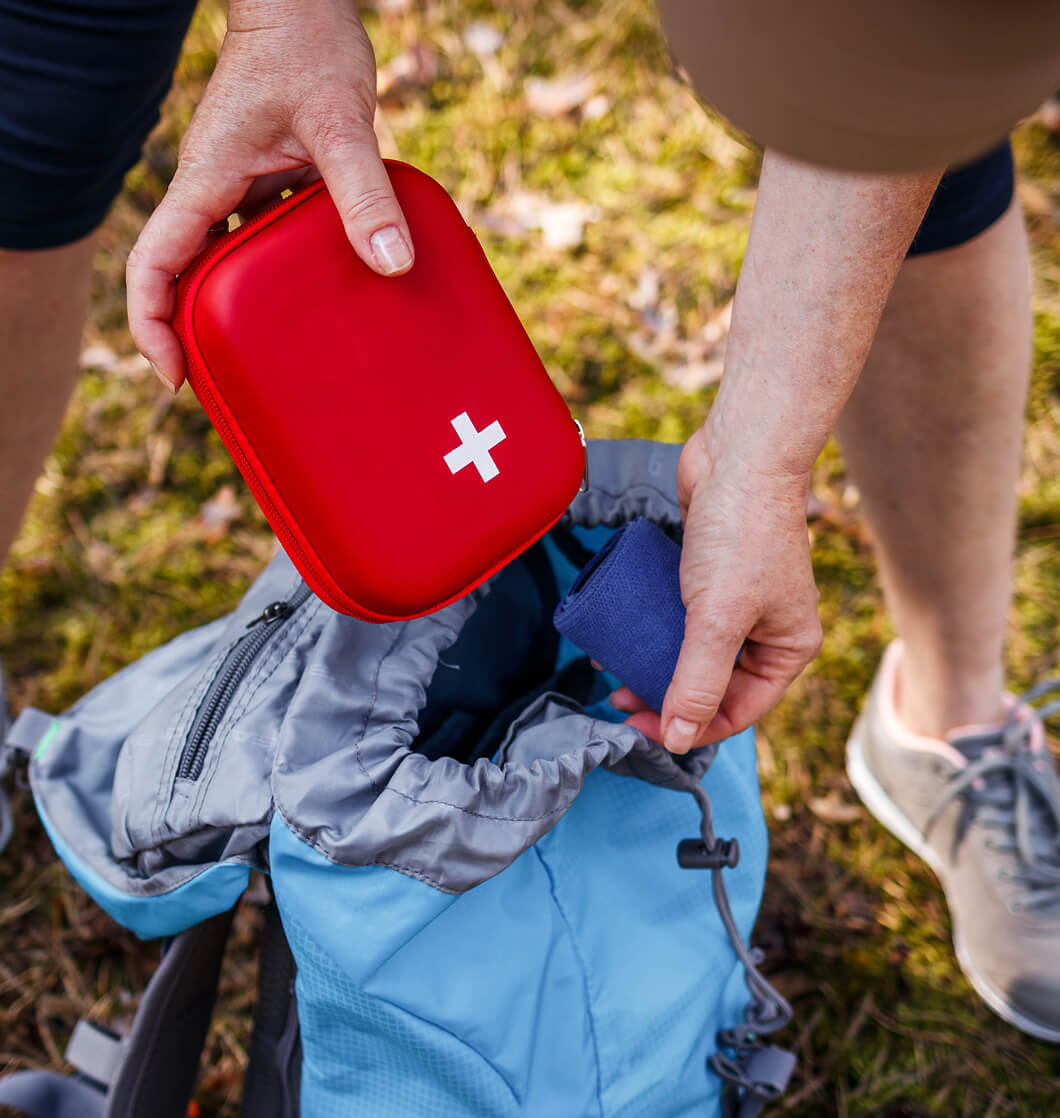
Standalone travel medical insurance is the most affordable type of trip protection policy you can buy, with our most recent internal sales data showing it costs around $5 per day on average.
This figure is based on internal sales data from travelers who purchased medical-only coverage through Squaremouth over the past 12 months. Squaremouth users spend an average of $103 per policy on travel health insurance with an average trip length of 20 days.
That said, it's possible to find medical insurance for overseas travel for as little as $1/day by comparing options from several providers.
Ultimately, the price you pay will vary based on your unique trip parameters, including:
- Your age
- Trip length
- Number of travelers on your policy
- Policy coverage limits
- Destination
Looking to buy affordable travel medical insurance?
Squaremouth lets you compare 100+ policies to find affordable medical protection without compromising on coverage. Compare Quotes
What Does Travel Health Insurance Cover?
Standalone travel medical policies typically include several types of travel medical insurance coverage to protect you in case of health emergencies at home and abroad.
The best travel medical plans can cover the cost of medical treatment, medical evaluations, repatriation, medical-related cancellations, and offer 24/7 emergency support. Some medical-only plans may also offer pre-existing condition coverage, interruption and baggage coverage, and adventure sport coverage.
Here is a look at the most common types of medical coverage inclusions.

Emergency medical coverage can pay for unexpected medical expenses, such as doctor visits, hospital stays, and treatments while you're away.
For example, if you get food poisoning while in Europe, your international travel medical policy could provide access to urgent medical care and cover the costs of doctor visits and prescription medications.

Medical evacuation coverage can pay for ambulance or air transportation to the nearest suitable medical facility, even if that means returning you to the U.S. for treatment.
For example, if you break your leg while hiking in Southeast Asia, a policy could cover the cost of airlifting you to a nearby medical facility for treatment.

If necessary, medical repatriation coverage is able to pay to medically escort you back to the United States in an air ambulance to receive adequate medical treatment.
For example, if you develop a serious illness while backpacking in a developing nation and need round-the-clock specialty care, your policy could cover the cost of medically escorting you back to the USA for specialized treatment.

Some policies offer coverage for pre-existing medical issues that would normally be excluded from coverage.
For example, if you have diabetes and suddenly need to be temporarily hospitalized as a result of a severe insulin deficiency. Some policies can cover the hospital bills even though the cause was related to a condition that existed before the trip, when you meet the eligibility criteria. This typically means your condition has remained stable during the policy’s lookback period and buying within the time-sensitive window.
This coverage is not available on every policy, so if it's important to you, we recommend seeking it out using our quote filters.

Although cancellation benefits are usually found as part of comprehensive travel insurance policies, some medical-only travel insurance policies can reimburse your full trip cost if you need to cancel your trip for medical reasons.
For example, if you develop a severe case of the flu and your doctor advises against traveling, your policy could reimburse you for up to 100% of your prepaid, non-refundable trip costs as a result of the cancellation. COVID-19 is also now covered as part of this benefit.

Many travel health insurance plans also provide coverage for accidental death and dismemberment, also known as AD&D. While health-related, this coverage more closely resembles life insurance. AD&D coverage can pay out if you are severely dismembered or accidentally die while traveling.

All plans listed on Squaremouth offer round-the-clock emergency support for finding care, arranging medical evacuations, logistics, and translation services.
For example, if you need medical attention in a foreign country, but don't speak the language or know where to go, your provider's 24/7 emergency assistance hotline can refer you to a top-rated medical facility that accepts your travel insurance.

Comprehensive plans include all of the same medical coverage as medical-only plans, but have additional coverage benefits and higher limits.
For example, medical-only travel insurance typically has lower trip-interruption limits, covers cancellations only for medical reasons, may exclude sports and high-risk activities, and offers little or no baggage, travel delay, or missed connection coverage. Consider upgrading to a comprehensive policy for added coverage, flexibility, and complete trip cost protection.
What Does Travel Medical Insurance Not Cover?
Travel medical insurance will not cover preventative or routine care, medical tourism, or medical care related to alcohol or drug use.
Additionally, some policies have special exclusions for:
- Hazardous or extreme sports, which may require you to opt for specialized adventure sport coverage
- Chronic or pre-existing medical conditions, unless you qualify for a pre-existing condition waiver
Be sure to review a policy’s certificate of insurance to understand what is excluded before purchasing.
Can You Buy Just Medical Travel Insurance?
 Yes, you can buy medical-only travel insurance plans.
In fact, medical-only travel insurance is one of the most affordable types of policies on the market. These plans offer an easy way to save money on your policy premium by forgoing comprehensive benefits.
That said, some medical-only travel coverage won't protect you for important travel concerns like delays and disruptions, cancellations and interruptions, baggage issues, etc. For this reason, we recommend opting for comprehensive travel insurance, when possible, which also includes medical coverage.
How Much Travel Medical Insurance Do I Need?
The amount of travel health insurance you need depends heavily on the type of trip you are taking, as well as your age, destination, medical history, and travel time.
It’s also important to consider your travel itinerary when comparing plans, and to take into account the various activities you might be doing while traveling.
Emergency Medical Coverage Recommendations:Medical coverage isn't always necessary for domestic trips, since most U.S. health insurance plans already provide coverage nationwide. However, if you don't have existing insurance or want added peace of mind, consider travel insurance policies with at least $50,000 in primary Emergency Medical coverage. These policies pay claims directly, without requiring you to first file with your U.S. health insurance, which can be especially beneficial if your health plan has high deductibles or co-pays.
Limits for international medical insurance can range from $50,000 to $2,000,000. Consider opting for at least $100,000 in Emergency Medical coverage and $200,000 in Medical Evacuation coverage for international trips. Plans that meet this criteria are widely available and offer sufficient protection against common medical expenses. Higher limits may be necessary for older travelers, cruises, adventure trips, and far-off destinations.

Due to the expensive nature of receiving medical treatment at sea, the best cruise travel insurance plans offer at least $100,000 of Emergency Medical coverage and $250,000 of Medical Evacuation protection for your cruise vacation.

If you are participating in hazardous activities or traveling to regions far from medical facilities, look for adventure travel insurance policies that offer at least $100,000 of Emergency Medical coverage and $500,000 of evacuation coverage.
How Does International Medical Coverage Apply While Traveling?
- You can use Apple Wallet or Google Wallet to keep your Squaremouth policy information close at hand for quick access in an emergency.
- If you have a dire medical emergency, contact local emergency services first.
- Reach out to your travel insurance company's 24-hour Emergency Assistance program for help coordinating access to medical services and information on filing a claim.
- If your condition is too severe to be treated once you arrive at the hospital, your provider's Emergency Assistance service may approve and coordinate a medical evacuation to the nearest suitable facility for further treatment.
- Document all treatment you receive while at the medical facility, as it may be difficult to follow up with medical centers once you have returned home.
- Ensure you receive a written diagnosis from your doctor and itemized receipts when possible.
- File a claim for reimbursement once you have all your supporting documents.
Is Travel Medical Insurance Worth It?


Yes, buying medical travel insurance is worth the expense, especially if you're planning international travel to a country that doesn't accept U.S. health insurance.
Some travel medical policies can cost as little as $1 per day and could potentially save you thousands of dollars in medical expenses if you get sick or injured while traveling.
The majority of comprehensive travel medical insurance plans also include a wide range of other benefits that financially protect you from losses relating to delays, lost baggage, and other unexpected disruptions.
To give you a few examples, medical travel insurance may be worth it if:- You plan to travel abroad, as U.S. health insurance is rarely accepted overseas
- You are budget-conscious, because travel medical policies are often significantly cheaper than comprehensive travel insurance.
- You have existing trip cancellation coverage through a credit card, which may mean you only need medical coverage.
- You have a pre-existing condition that could potentially flare up while you are away.
How Do I Find & Compare Travel Medical Insurance Plans?
Finding the right international medical coverage is easy with Squaremouth's travel insurance comparison tool.
Simply enter your trip details, like your destination and travel dates, and we’ll show you a list of our top-rated policies from reputable providers that meet your needs.
From there, you can compare plans side-by-side using our benefit tables. Compare important factors like cost, coverage limits, benefits, and provider reputation all in one place.
Consider the following factors when comparing medical coverage.
Ask yourself, "What is the maximum a medical emergency could cost me?" and choose medical limits accordingly.
Limits vary greatly by provider and policy, but $100,000 is the minimum recommended limit for trips abroad. Trips to certain countries and regions may require higher limits as medical treatment costs vary greatly by destination.
For most trips, it’s best to look for plans that offer the following coverage thresholds:
- Emergency Medical: At Least $50,000
- Medical Evacuation: At Least $100,000
- Primary Medical Coverage
- Pre-Existing Condition Coverage
Trips closer in and around North America may have lower medical evacuation costs of around $50,000, but trips to farther destinations could have medical evacuation costs that exceed $250,000.
When choosing limits, consider destination and personal risk factors that may mean needing higher coverage limits:
- Older travelers may require medical limits
- Chronic illness or recent surgeries may require pre-existing condition coverage
- Travel to remote locations or expensive developed countries may require high medical and medevac limits
- Trips with outdoor activities and sports may require adventure sport coverage

Opt for Primary medical coverage when possible. Primary coverage offers faster reimbursement, as it allows you to file a claim directly with your travel insurer. With Secondary coverage, you’ll have to request reimbursement from your U.S. health insurance before filing with your travel insurer.
Every policy has different coverage and exclusions, which makes reading the fine print, or certificate of insurance, even more important. Review your policy wording before purchasing to understand how you may be covered. When in doubt, Squaremouth agents can assist you in reviewing the policy wording and choosing a policy that fits your needs.

Browse Other Policy Types


FAQs: Medical Travel Insurance
Ideally, yes, and it’s especially important to have travel insurance while traveling abroad.
Many people assume their health insurance works as normal overseas, but not every plan will cover you while you are out of the country. Domestic policies are designed to work “in-network”, which is typically limited to U.S. hospital systems. This means your health insurance will rarely cover foreign medical treatment, dental interventions, or expensive emergency medical evacuations to international hospitals. This is where travel insurance can bridge the gap and keep you protected.
The majority of travel credit cards offer medical limits that are insufficient for travel abroad, and some may not even pay for medical bills at all.
Most credit cards offer travel coverage focused on reimbursing trip purchases made with the credit card, and only a handful of credit cards offer medical protection that comes remotely close to a third-party travel medical policy.
Yes, you can buy both primary and secondary travel insurance plans even if you don’t have a primary health insurance policy. In this case, a secondary policy can function as a primary insurance when you go to make a claim by simply informing your provider that you have no primary health insurance.
Be sure to review the policy certificate before buying, as some secondary policies require you to have a primary health insurance plan for certain coverages to apply.
Retirees and senior travelers typically have fewer plan options due to age restrictions on some policies, but Squaremouth offers several medical-only and comprehensive policies for travelers over 70 and seniors over 80.
These policies typically come with higher medical limits, pre-existing condition protection, strong evacuation coverage, and can protect you on trips abroad, where Medicare and Medicaid are not accepted.
No, medical tourism is excluded from nearly all travel insurance policies. If you plan to travel for medical tourism purposes, it’s best to contact your domestic health insurance provider to understand how your coverage may assist you abroad, and to speak with the foreign hospital about insurance options available to you locally.
Medical travel insurance is not usually mandatory for most countries; however, there are a few destinations that require travel insurance for entry. That said, we always recommend buying travel medical insurance when traveling abroad, as Medicare, Medicaid, and traditional U.S. health insurance are not accepted overseas.
Yes, all plans sold on Squaremouth include medical coverage for COVID-19 and treat it as any other illness.
Usually, travel insurance excludes pre-existing conditions from coverage, but some plans can offer coverage for these health issues if you purchase your plan in time to qualify for a pre-existing conditions waiver. Here is a list of our top recommended plans that cover pre-existing conditions.
Some medical travel insurance plans will include emergency dental coverage, whereas others may exclude it. When getting a quote via Squaremouth, you can select and filter by plans that offer emergency dental coverage to ensure your plan has this coverage.
If you become sick or injured while traveling and incur medical expenses, you'll need to file a claim with your travel insurance provider. This process varies by insurer, but typically includes the following steps:
- Contact Your Provider: Squaremouth doesn't process your claims, so you should contact your insurance provider. They will be able to confirm your coverage and explain the next steps for filing your claim.
- Gather Documentation: You'll need proof to support whatever claim is made against your policy. Collect relevant medical records, itemized bills from healthcare providers, proof of payment, doctor's notes, and any other documents that might be relevant to your claim.
- Complete a Claims Form: This step can often be completed through your provider's website or mobile app. Fill out the form accurately and attach all required documentation.
- Submit Your Claim: Review and submit your claim. Be sure to monitor its progress and look for requests for additional information. Medical claims often take 4-6 weeks to process.
- Appeal (If Necessary): If your claim is denied, you have the right to appeal. There is no guarantee that an appeal will be successful. Squaremouth can act as a claims advocate and mediator if you need assistance with your appeal.
Squaremouth’s comparison tool offers a Schengen visa filter that lets you see only plans that meet the Schengen visa requirements. Our tool is the quickest way to sort through hundreds of travel insurance policies to find the ones that are valid for Schengen Visa applications across travel to 29 countries.
It includes policies with at least €30,000 of emergency medical and medical evacuation coverage for countries in the Schengen area. These policies also come with a Schengen Visa letter to present to visa officials that outlines your coverage, dates, and countries covered.
Most standard travel medical policies have no deductible, but many offer the option to add a deductible if you want to reduce the overall cost of your policy.
Deductibles are more common on annual multi-trip policies, but if you need an annual travel insurance plan with no deductible, Squaremouth offers several options.
Emergency medical coverage is designed to pay for emergency medical expenses and treatment abroad, whereas emergency medical evacuation coverage is designed to transport you to the nearest appropriate medical facility or pay for repatriation home if medically necessary.
These two benefits are typically sold together, but medical evacuation limits are usually much higher than emergency medical limits due to how expensive medical repatriations are. Some policies break out sub-limits for different medical coverages, such as reimbursing emergency medical expenses versus emergency dental expenses.
Related Articles
RESOURCES 5 min read
4 Best Travel Medical Insurance Companies in 2026RESOURCES 5 min read
Best Travel Insurance for Pre-Existing Conditions in 2026BENEFITS 5 min read
Emergency MedicalRESOURCES 5 min read
4 Best Travel Medical Insurance Companies in 2026
We analyzed 100+ policies and found the best travel medical ...
Read MoreRESOURCES 5 min read
Best Travel Insurance for Pre-Existing Conditions in 2026
We analyzed sales data and reviewed over 100 policies to find ...
Read MoreBENEFITS 5 min read
Emergency Medical
Emergency Medical is a popular travel insurance benefit that ...
Read More